Explore the sounds of the forest! Forest animals create a symphony of sounds that fill woodland environments. From the rustle of a squirrel to the call of a deer, these sounds help animals communicate and navigate through dense trees and undergrowth. Discover forest animal sounds and learn about woodland wildlife.
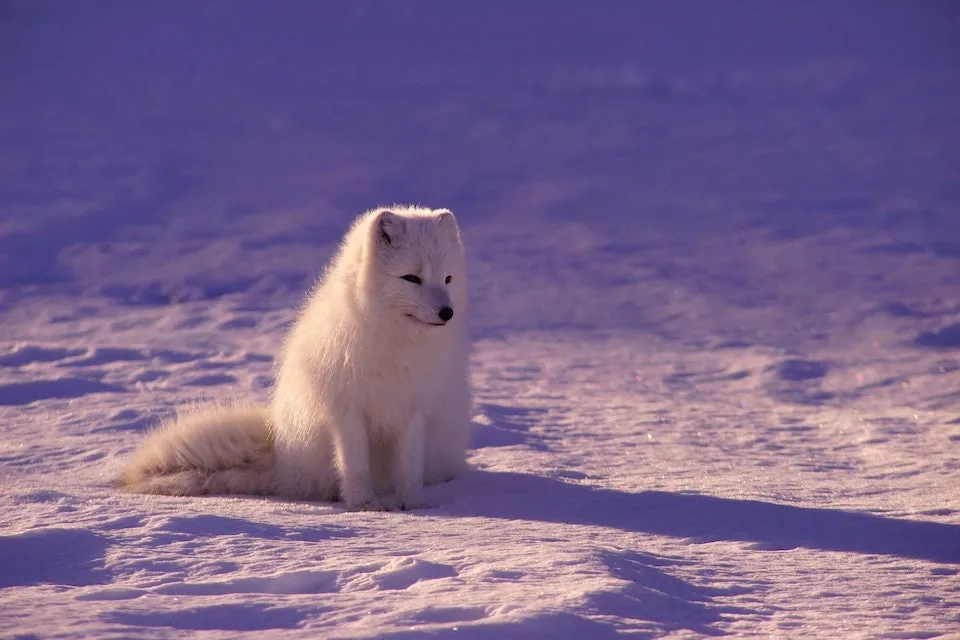
Arctic foxes can hear lemmings burrowing under 4-5 inches of snow.
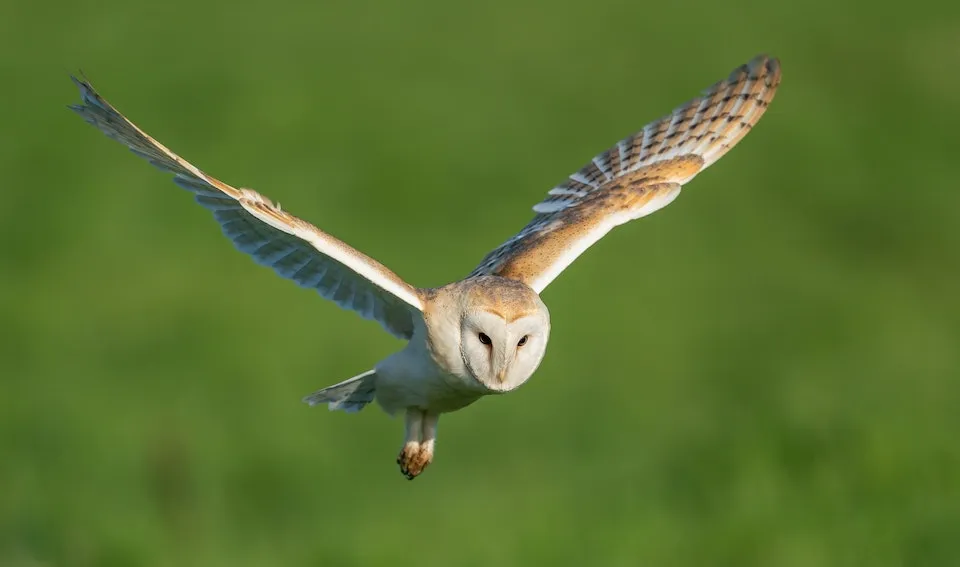
Barn owls can locate prey by sound alone in complete darkness.
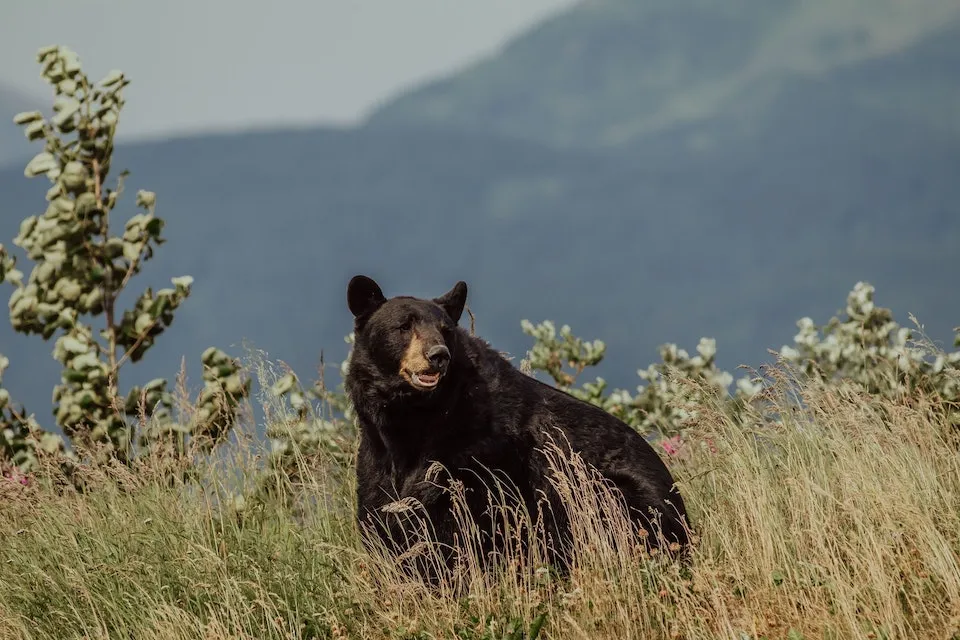
Black bears can smell food from over 2 miles away.
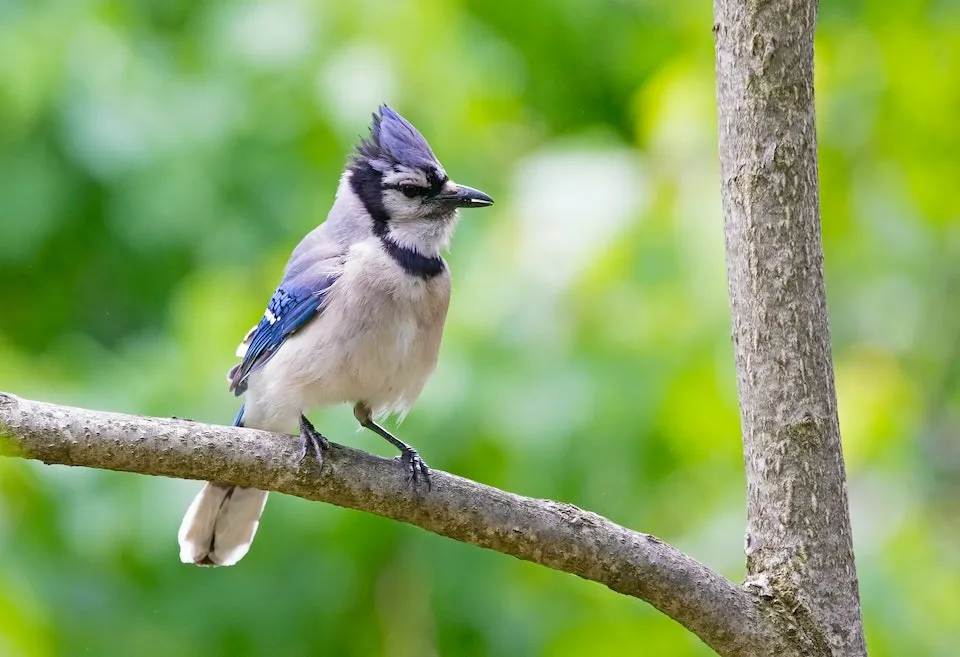
Blue jays can mimic the calls of hawks, often to warn other jays of danger or to trick other birds.
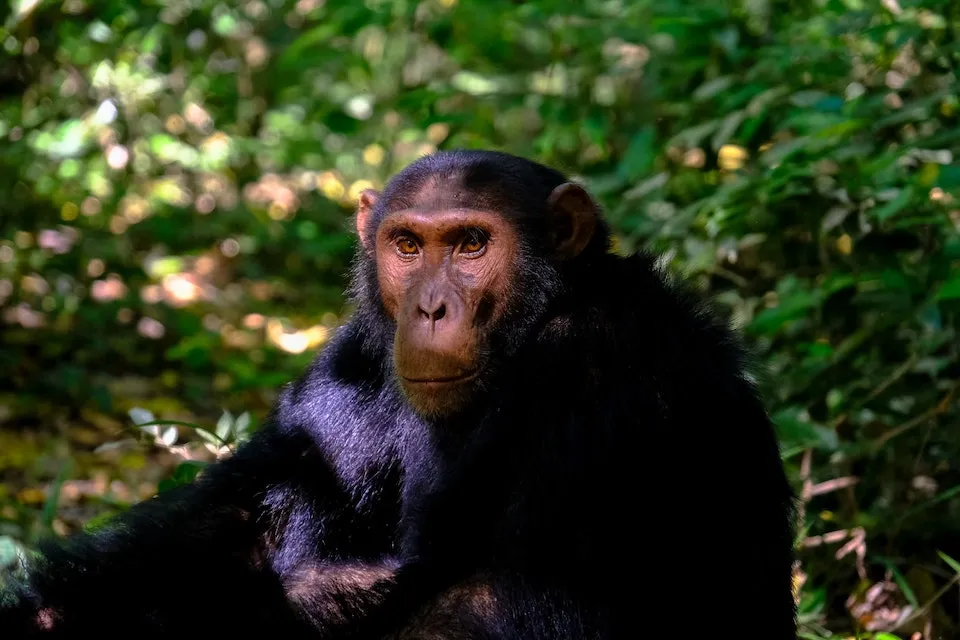
Chimpanzees can learn human sign language and pass it on to their offspring.
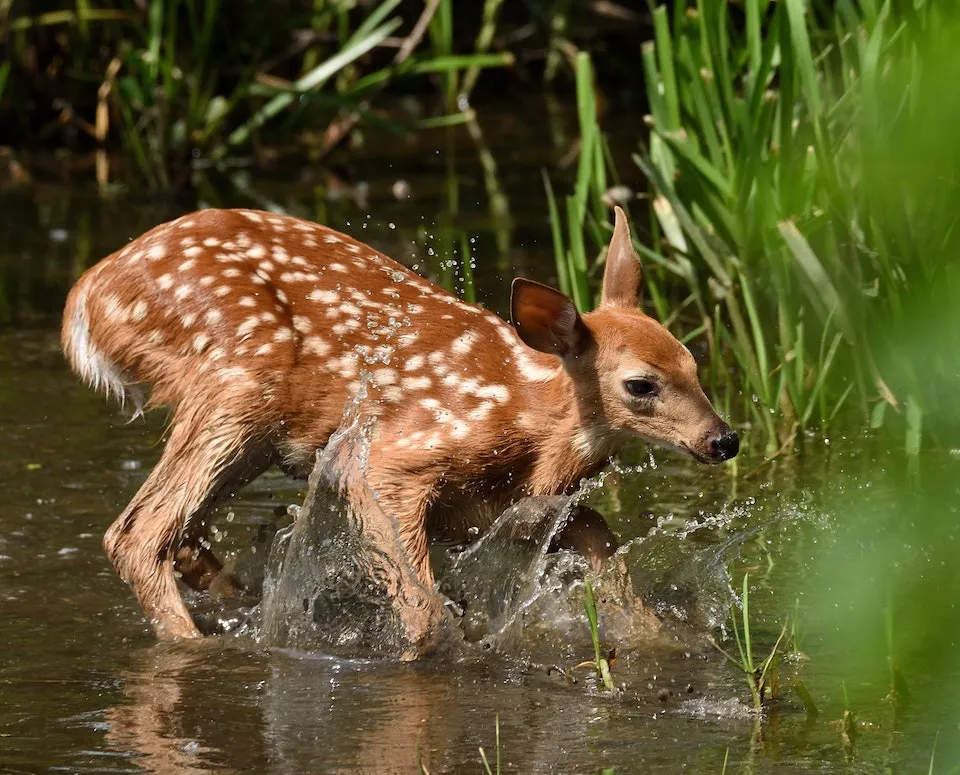
Fawns are born scent-free to avoid attracting predators.
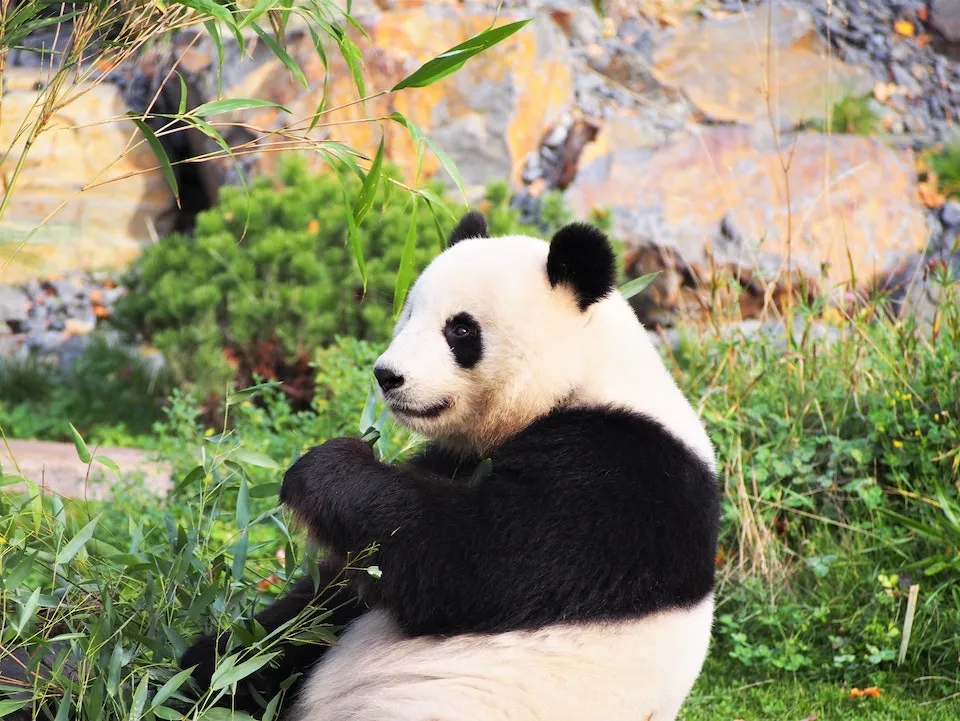
Giant pandas have an extra 'thumb' that helps them grip bamboo.
A giraffe's spots are like human fingerprints; no two have exactly the same pattern.
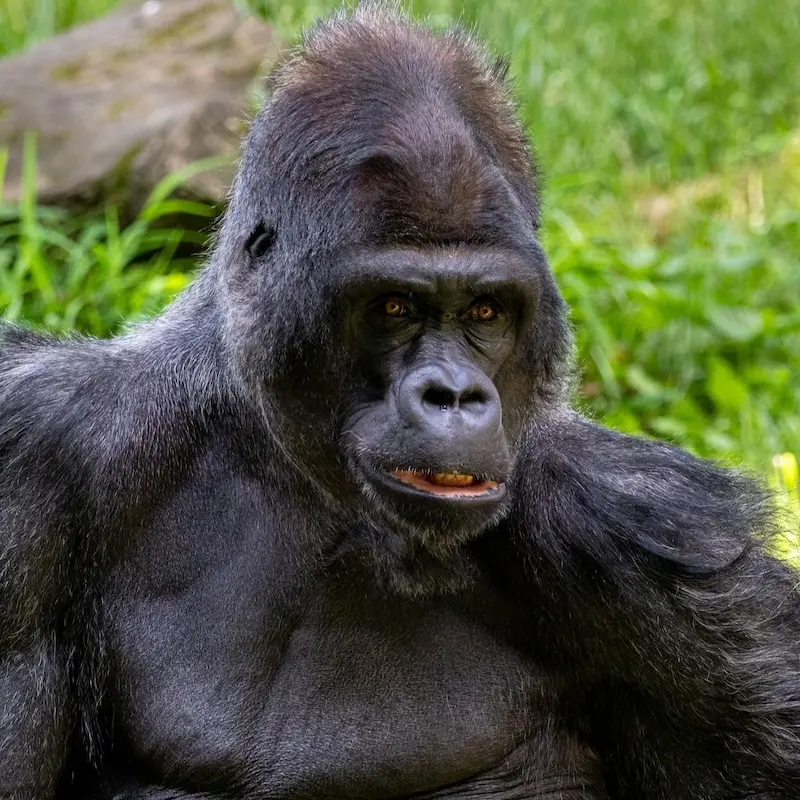
Gorillas can catch human colds and other respiratory diseases.
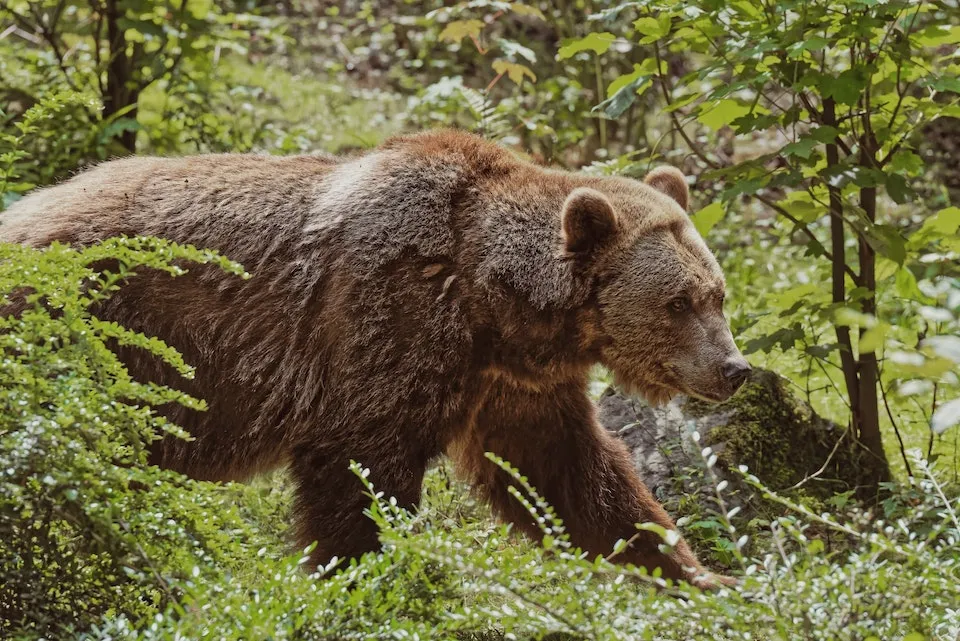
Grizzly bears can remember the location of food sources for many years.
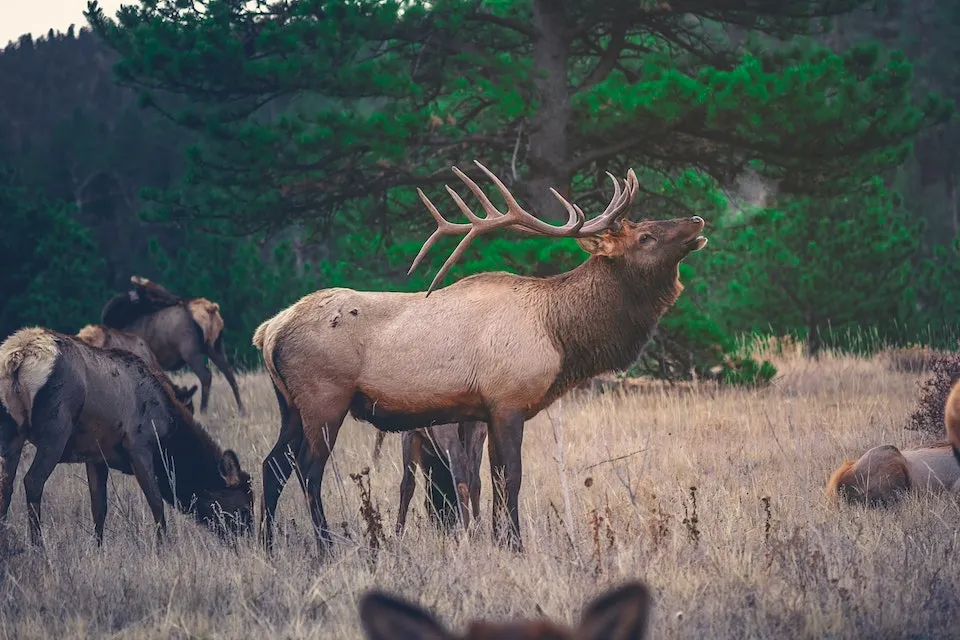
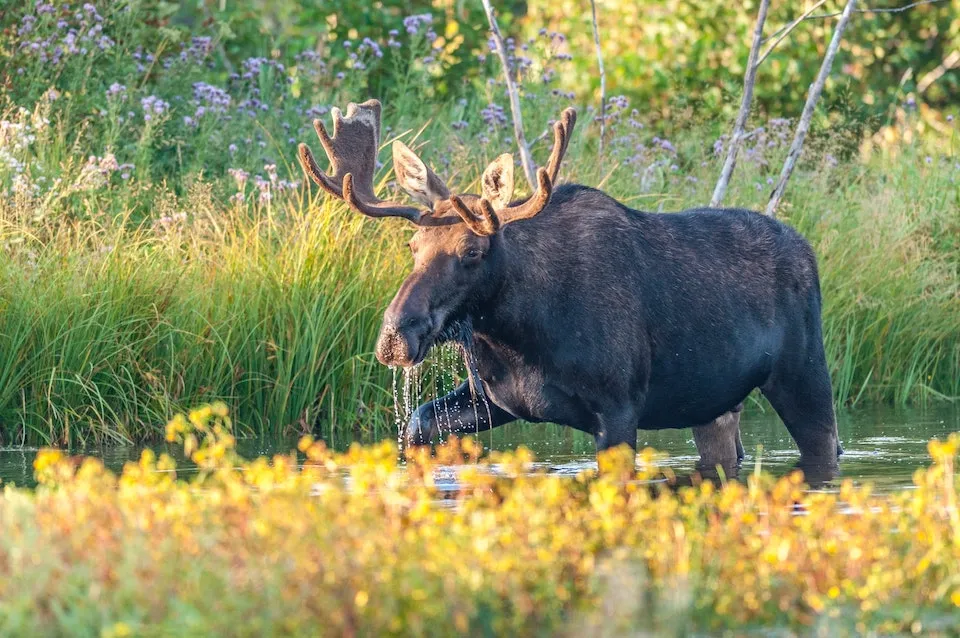
A moose's antlers can grow up to 6 feet wide and weigh up to 40 pounds.
Newborn piglets can recognize their mother's voice within 48 hours of birth.
Polar bears have black skin under their white fur to better absorb heat from the sun.
Polar bear cubs often stay with their mothers for up to 2-3 years, learning crucial survival skills.
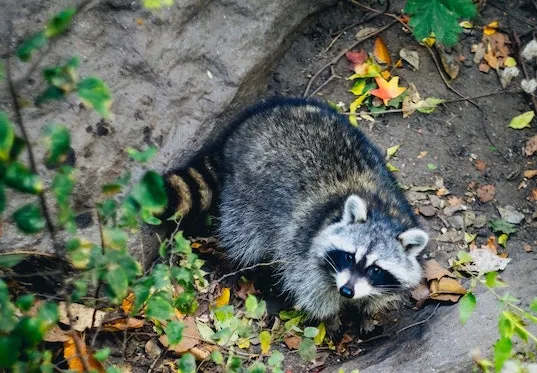
Raccoons can remember the solution to tasks for up to three years.
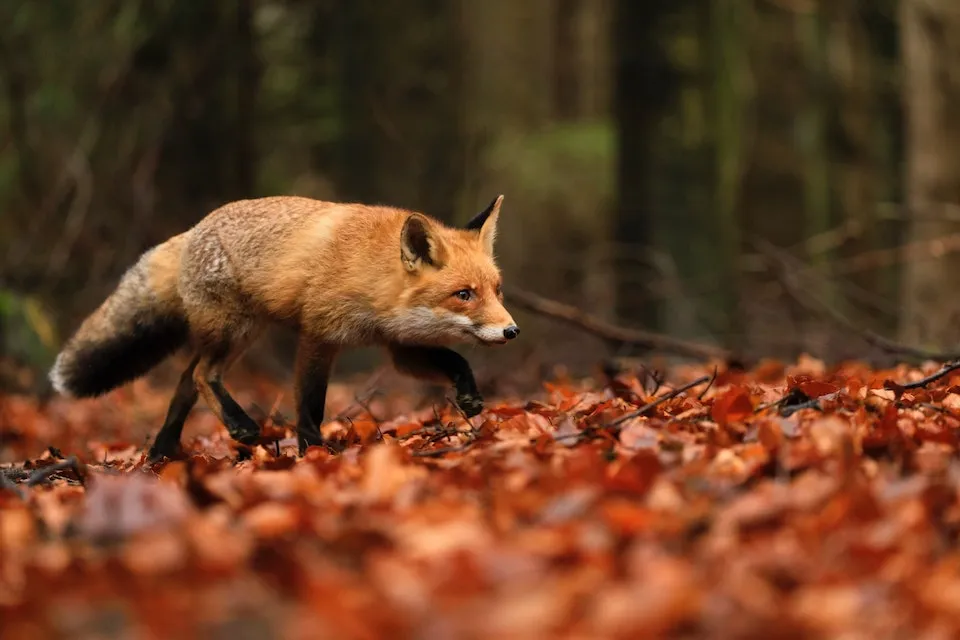
Red foxes can hear a mouse squeak from about 150 feet away.
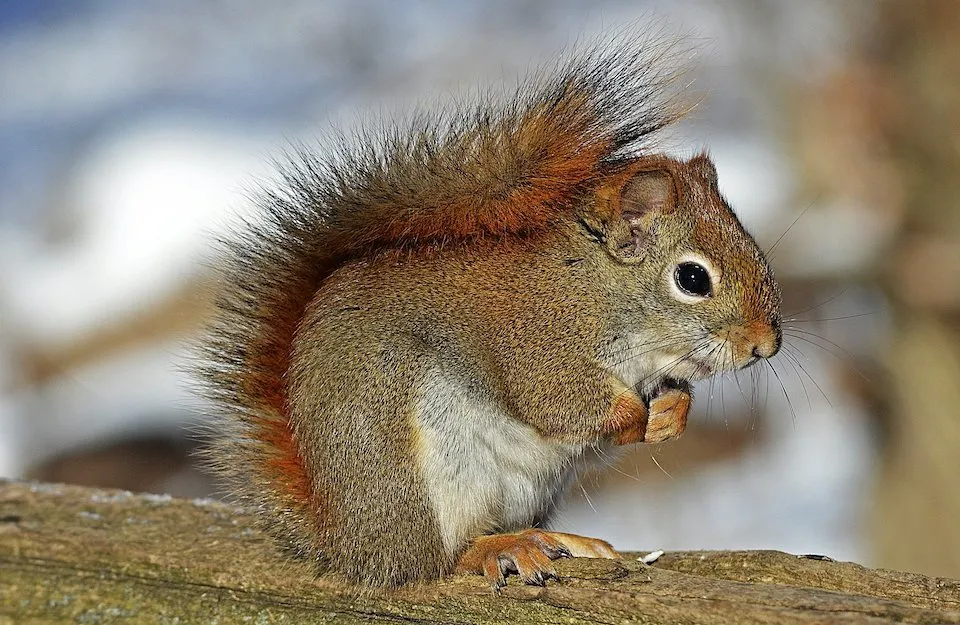
Red squirrels can swim and have been known to cross rivers to find new territories.
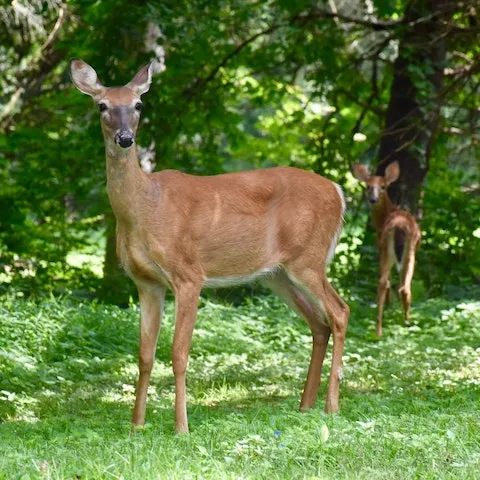
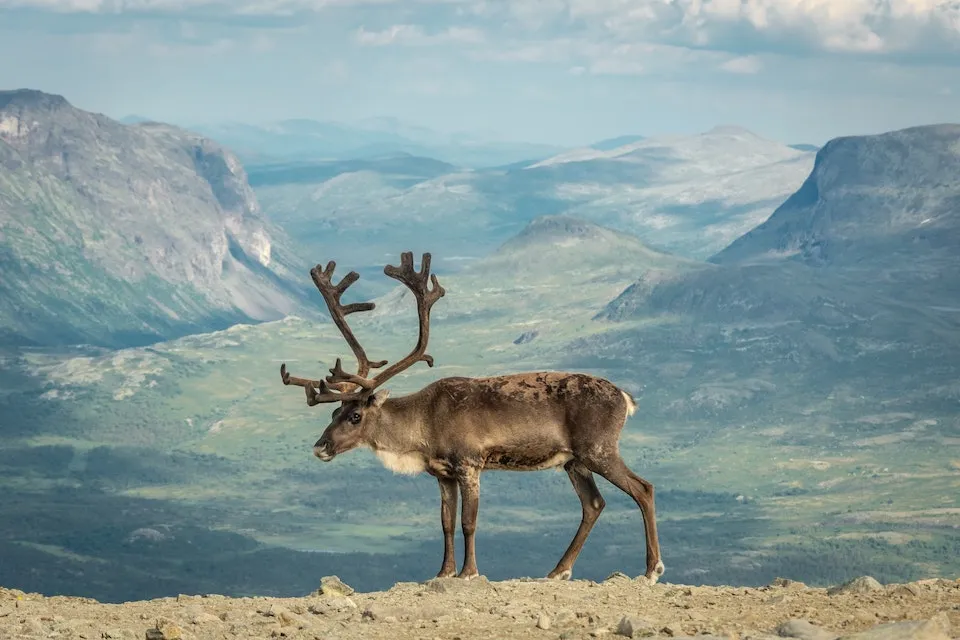
A deer's antlers can grow up to half an inch per day during the growing season.