 Animal Sounds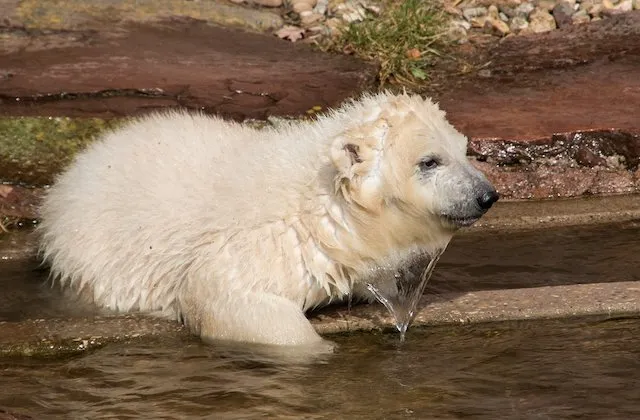
💡 Did you know: Polar bear cubs often stay with their mothers for up to 2-3 years, learning crucial survival skills.
Polar Bear Cub Sounds
- Sound
- Hum & squeal
- Habitat
- Arctic sea ice & dens
- Diet
- Milk, then seal meat
- Region
- Arctic Circle
- Lifespan
- 25–30 years
- Size
- Cub (~0.6 kg at birth)
What sound does a polar bear cub make?
Polar bear cubs make soft humming, cooing, and buzzing sounds when they're warm and content — especially while nursing. Scientists call this happy nursing noise a 'chuffing hum', and it's one of the coziest sounds in the Arctic.
When a cub is cold, hungry, or separated from its mother, it squeals and cries loudly until she returns. Mother polar bears answer with gentle chuffs and grunts to guide their cubs back to safety.
About the Polar Bear Cub
Polar bear cubs are born in the depths of Arctic winter, usually in pairs. At birth, they are blind, toothless, and covered with short, soft fur. Cubs weigh only about 1 pound at birth but grow rapidly on their mother's rich milk. For the first few months, the family remains in a den where the cubs are protected from the harsh Arctic environment. As they grow, the cubs learn vital skills like hunting and swimming from their mother. Their playful nature is not just cute but serves as important practice for adult survival skills.
Polar Bear Cub questions
What sound does a polar bear cub make?
Polar bear cubs hum and buzz contentedly while nursing, and squeal or cry when they need their mother. Mothers reply with soft chuffing sounds.
How big is a polar bear cub at birth?
Tiny! Newborn cubs weigh only about half a kilogram — roughly the size of a guinea pig — even though adults can grow to over 500 kg.
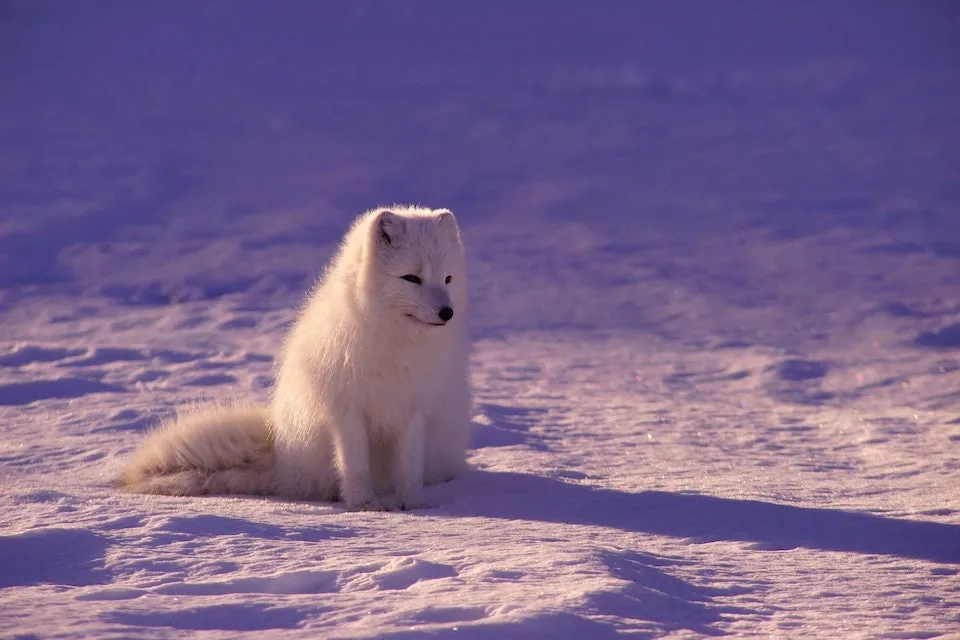
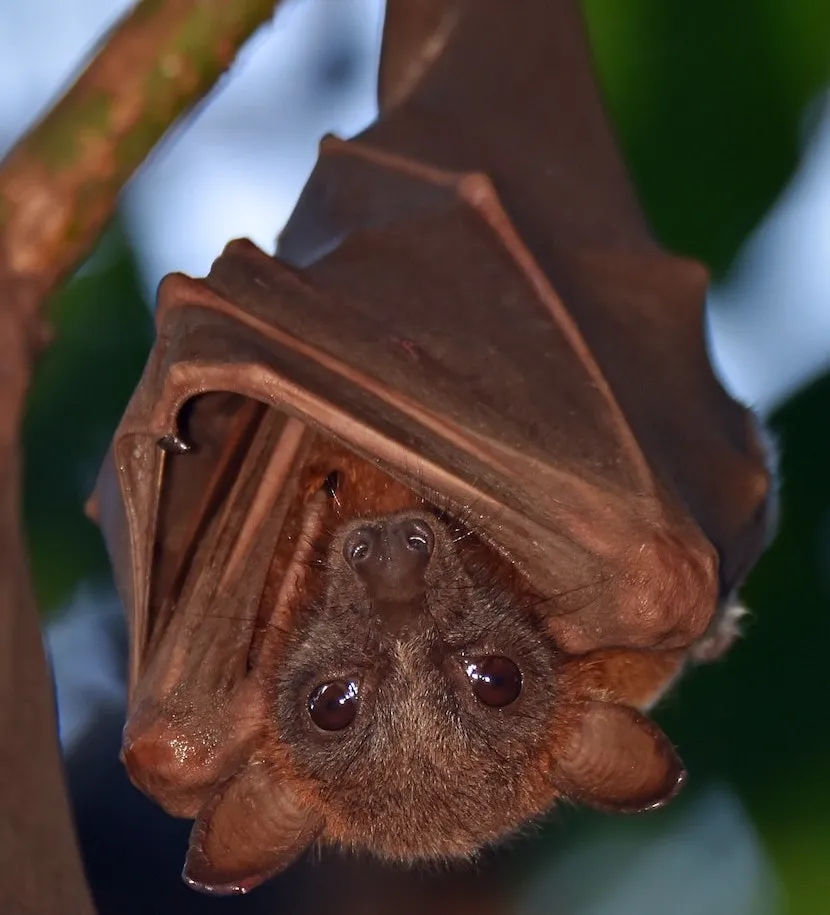
Related animals
More: Baby Animals · Wild Animals · Ocean Animals · Zoo Animals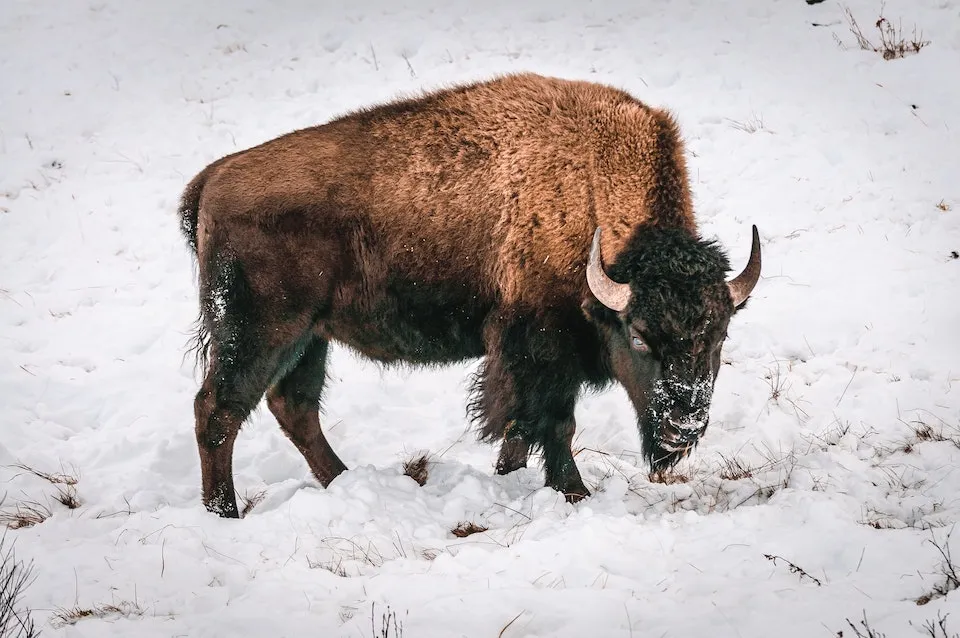

Hear 250+ more animals in the app
Love the polar bear cub? The Animal Sounds app has over 250 wildlife sounds, photos, and four learning games — rated 4.3★ by 1,600+ families.
Free download · iPhone, iPad & Mac