 Animal Sounds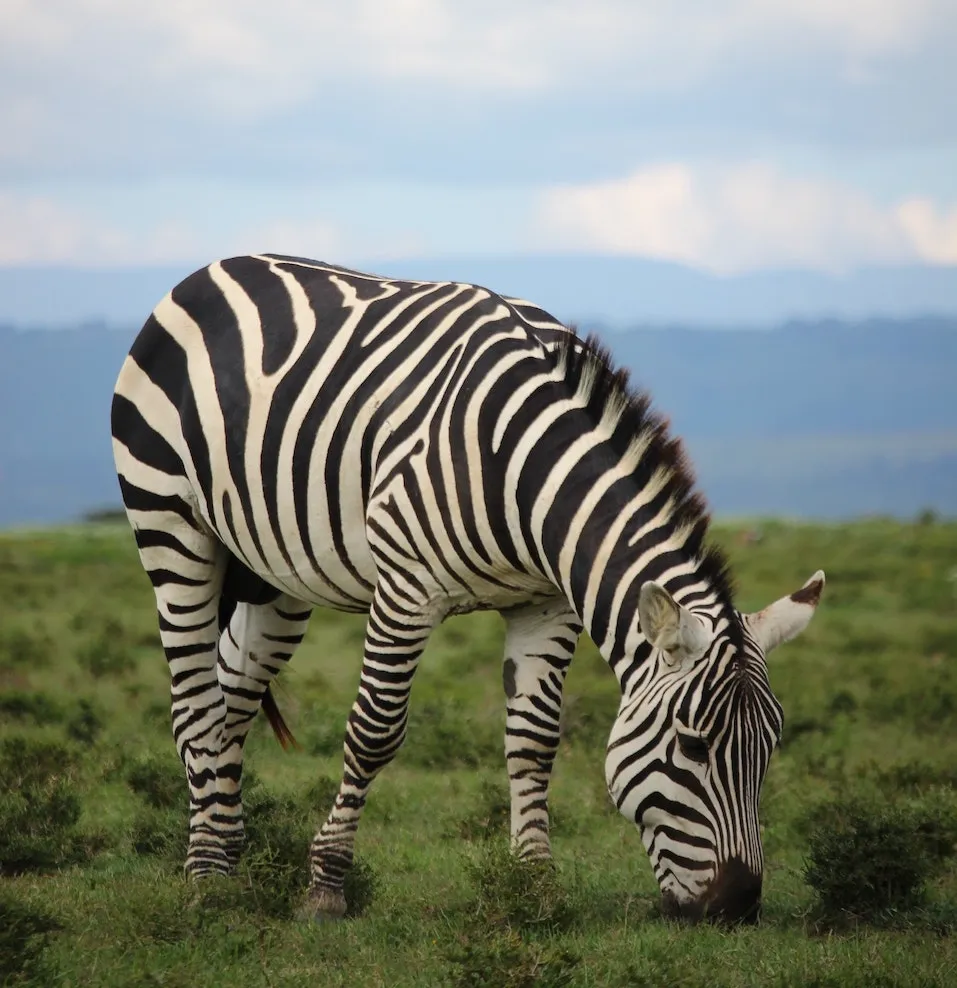
💡 Did you know: No two zebras have exactly the same pattern of stripes.
Zebra Sounds
- Sound
- Bark & bray
- Habitat
- Savannas & grasslands
- Diet
- Herbivore (grasses)
- Region
- Africa
- Lifespan
- 20–25 years
- Size
- Large (200–450 kg)
What sound does a zebra make?
Zebras make a sound few people expect: they bark! The plains zebra's contact call is a yipping 'kwa-ha, kwa-ha' that sounds more like a small dog than a horse. Herds use it constantly to keep track of each other.
Zebras also bray like donkeys — a squealing hee-haw — snort when alarmed, and nicker softly to their foals. At night, some herd members stay awake and bark a warning if lions approach, so the others can sleep safely.
About the Zebra
Zebras are equine animals native to various parts of Africa, known for their distinctive black and white striped coats. There are three species of zebra: plains, mountain, and Grevy's zebra. These social animals typically live in small family groups or larger herds. Zebras are herbivores, primarily grazing on grasses. Their unique striped pattern is thought to serve multiple purposes, including camouflage from predators and protection from biting flies. Zebras have excellent hearing and eyesight, helping them detect predators. They are known for their powerful kick, which they use for defense. In their ecosystems, zebras play important roles as grazers and as prey for large predators. Some zebra species are endangered due to habitat loss and hunting, leading to ongoing conservation efforts.
Zebra questions
What sound does a zebra make?
Zebras bark! Their 'kwa-ha' yipping call sounds like a small dog. They also bray like donkeys, snort in alarm, and nicker to their foals.
Why do zebras have stripes?
The leading theory: stripes confuse biting flies, which struggle to land on striped surfaces. Stripes may also help zebras recognize each other — each pattern is unique.
Related animals
More: Wild Animals · African Animals · Zoo Animals

Hear 250+ more animals in the app
Love the zebra? The Animal Sounds app has over 250 wildlife sounds, photos, and four learning games — rated 4.3★ by 1,600+ families.
Free download · iPhone, iPad & Mac