 Animal Sounds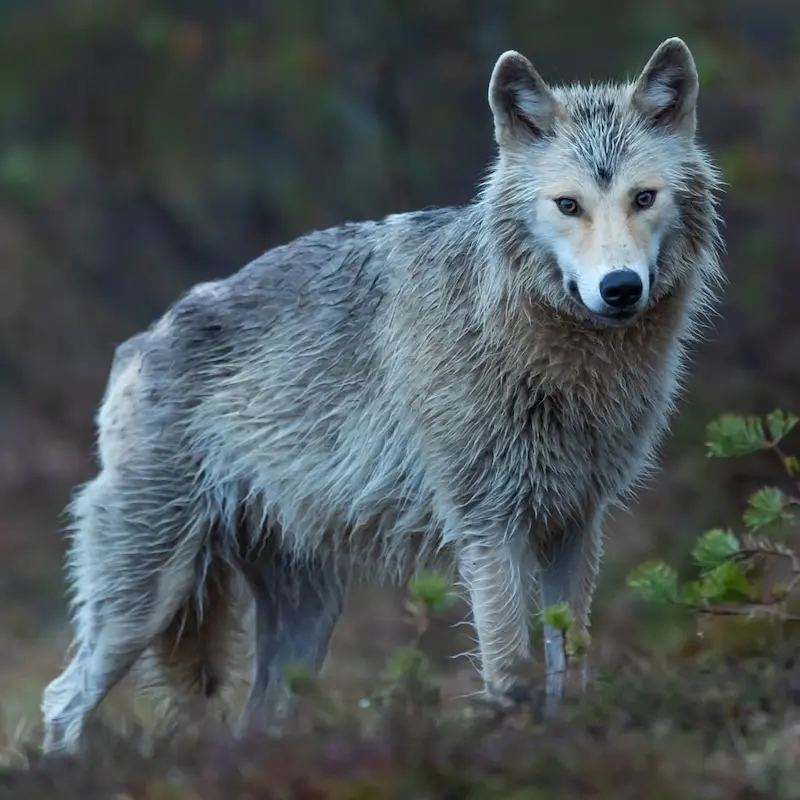
💡 Did you know: Wolves can exert up to 1,500 pounds of pressure per square inch with their bite.
Wolf Sounds
- Sound
- Howl
- Habitat
- Forests, tundra & mountains
- Diet
- Carnivore (deer, elk, moose)
- Region
- Northern Hemisphere
- Lifespan
- 6–13 years
- Size
- Medium-large (30–65 kg)
What sound does a wolf make?
The wolf's howl is one of nature's most spine-tingling sounds — a long, rising song that can carry 10 kilometres or more. Wolves howl to gather the pack, warn rival packs away, and simply to find each other; each wolf's voice is unique, and pack mates recognize one another by howl.
When wolves howl together, they deliberately harmonize on different notes, making the chorus sound bigger than the pack really is. Wolves also bark softly in alarm, whimper to pups, growl in warning — and despite the stories, they don't actually howl at the moon; night is just when they're most active.
About the Wolf
Wolves are large canines found across North America, Europe, Asia, and North Africa. These intelligent and social animals live and hunt in packs, which are usually family groups led by an alpha pair. Wolves are known for their distinctive howl, which they use to communicate over long distances. They are apex predators and play a crucial role in maintaining ecosystem balance by controlling populations of their prey species. Wolves have excellent stamina and can travel long distances, up to 30 miles in a day when hunting. Despite their fearsome reputation, wolves generally avoid human contact. They have a complex social structure within their packs, with intricate communication through vocalizations, body language, and scent marking. Conservation efforts have helped wolf populations recover in some areas after centuries of persecution.
Wolf questions
What sound does a wolf make?
Wolves howl to assemble the pack and mark territory — a call that carries 10 km. They also growl, whimper, and give quiet warning barks.
Do wolves really howl at the moon?
No — that's a myth. Wolves point their muzzles up because it projects the howl farther, and they're simply more active on bright nights.
Related animals
More: Wild Animals · Forest Animals · Zoo Animals


Hear 250+ more animals in the app
Love the wolf? The Animal Sounds app has over 250 wildlife sounds, photos, and four learning games — rated 4.3★ by 1,600+ families.
Free download · iPhone, iPad & Mac